You’ve Discovered the Velvet of Peru!
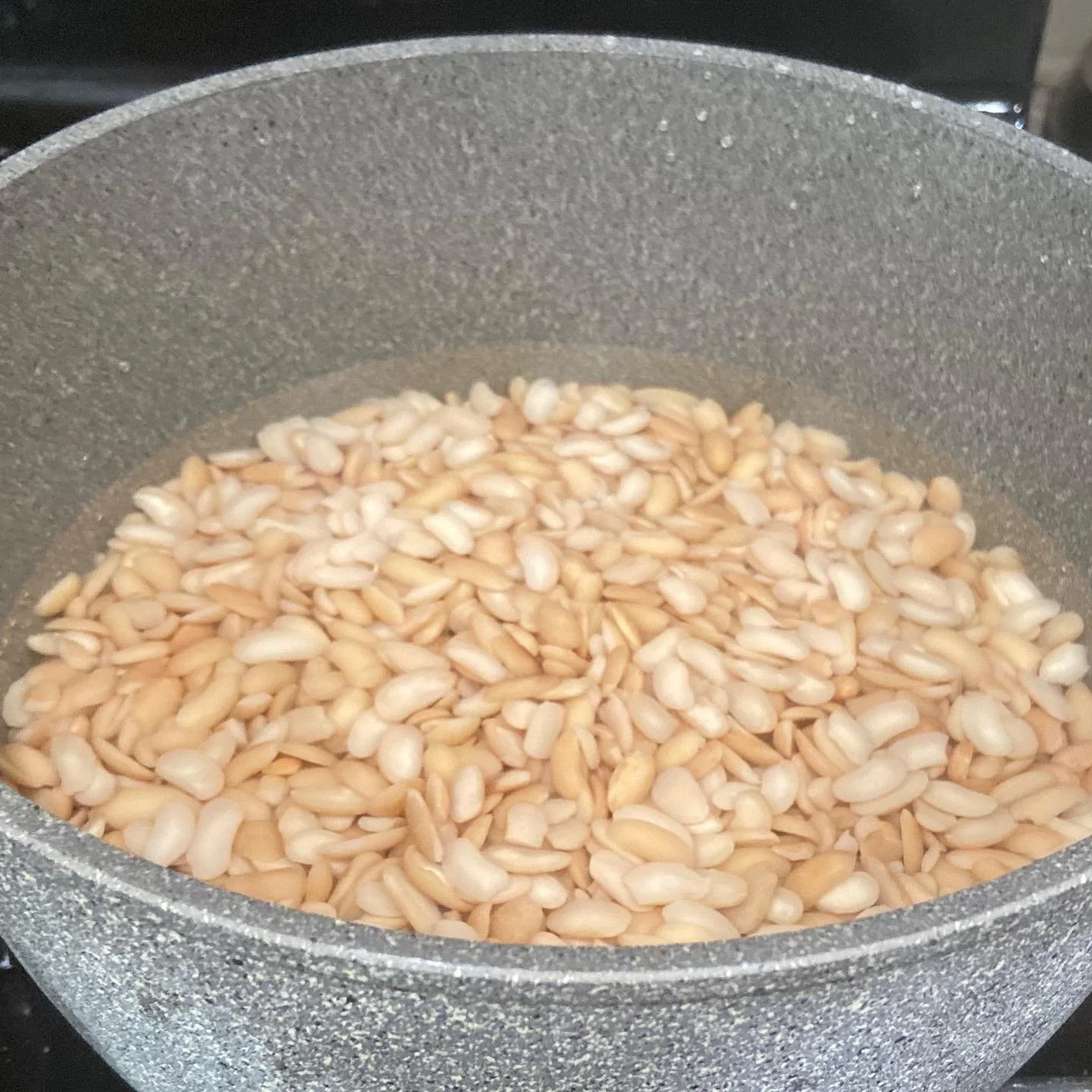
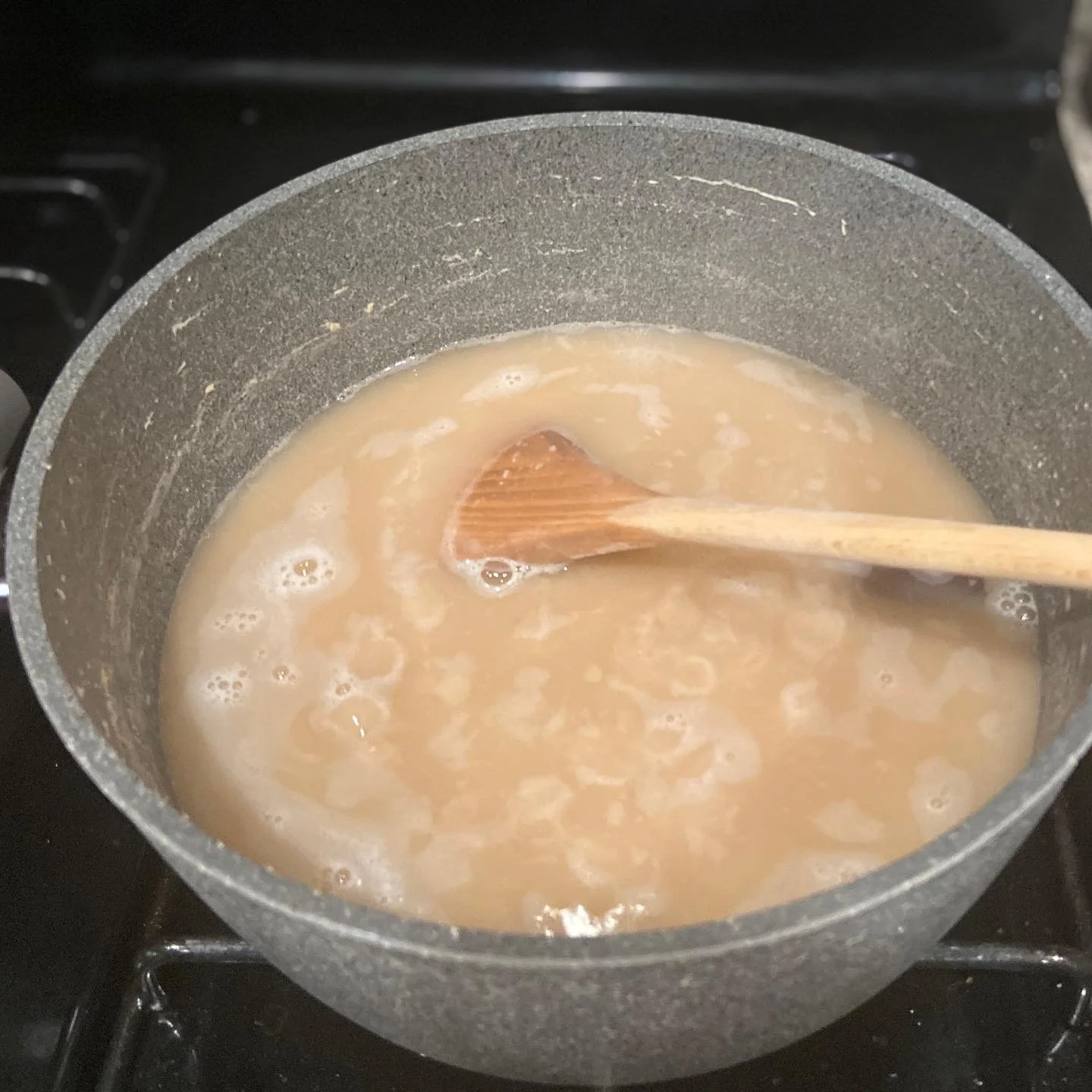
It takes 4 hours of patient, hand strained craft to make the jar you’re holding.
Born in the coastal valley of Cañete, Peru, Frejol Colado what we call Sweet Beans Confection isa treasured jewel of Afro-Peruvian heritage where humble beans are slowly transformed into something extraordinary.
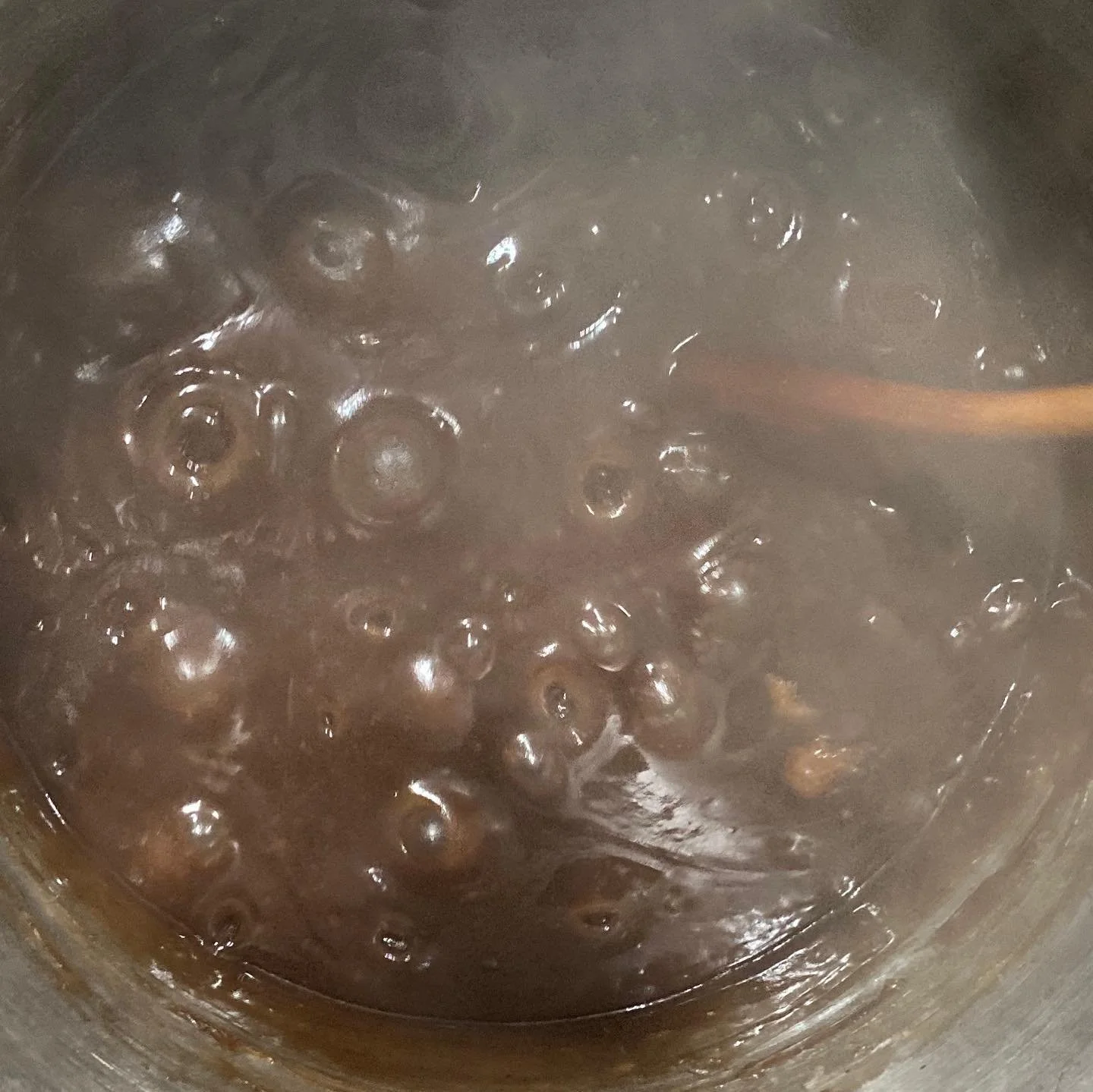
At Sweet Eliana, we honor this centuries-old tradition: slow cooking , hand straining, and delicately spicing until the beans become a silky, soulful cream.
A craft guided by time, devotion, and the fondest memories of my childhood.
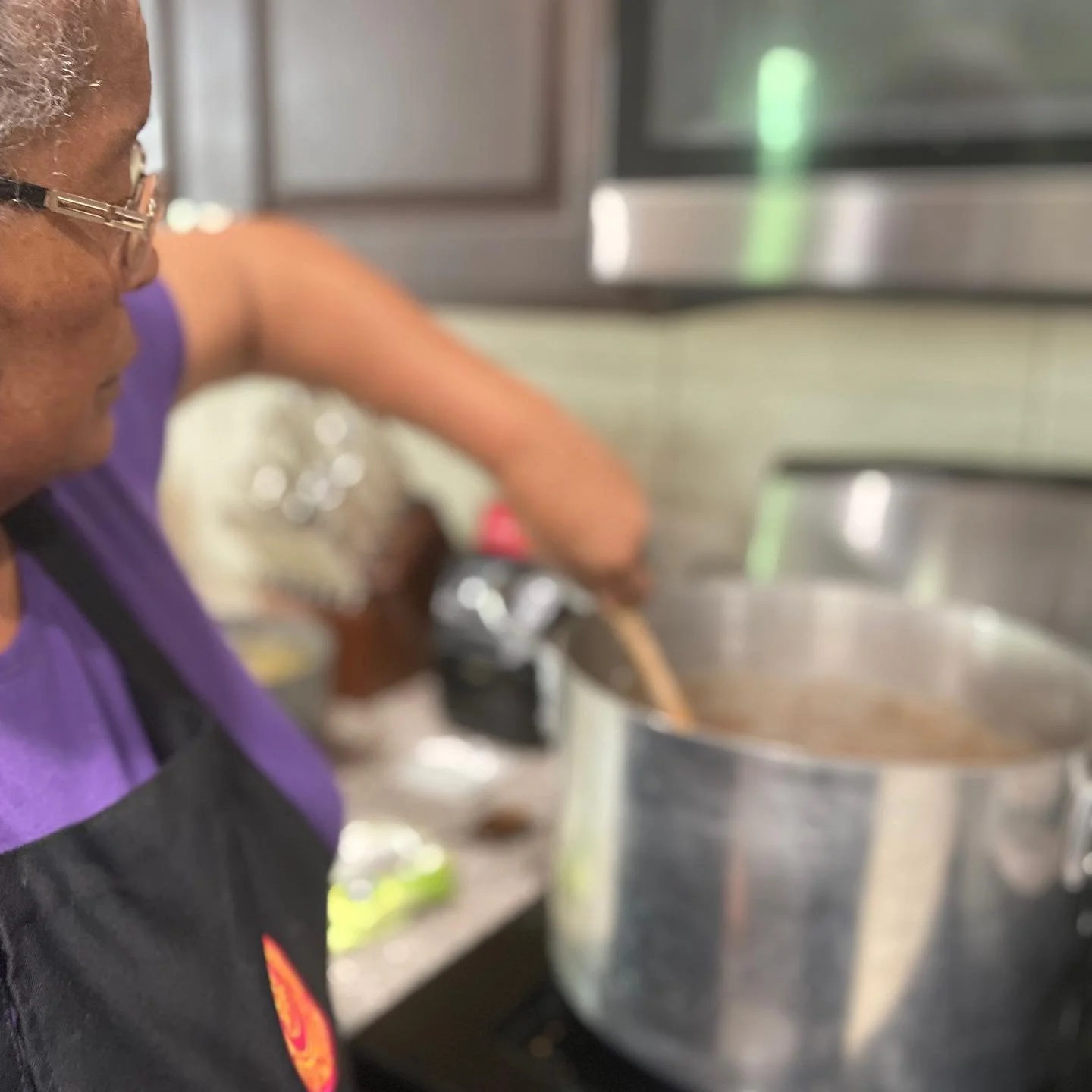
Growing up in Cañete, Peru, Easter meant gathering in my grandmother’s kitchen, where my mom, aunts, and grandmother would spend hours at the stove. Slowly cooking beans, patiently straining them by hand “colando” and simmering them with spices until the kitchen filled with a warm, unforgettable aroma.
Frejol Colado was more than a dessert. It was tradition, celebration, and family. My cousins and I would wait eagerly for the final moment, hoping to win holding the ladle or scrape the last silky sweetness from the pot.
Today, I am honored to carry this centuries-old Afro-Peruvian tradition from my family’s kitchen in Cañete to our studio in Georgetown.
Frejol Colado has deep roots in the coastal valleys of southern Peru, especially in Cañete, Chincha, and Ica. For centuries it has been prepared during Easter, when families gather to slowly cook and hand-strain beans, transforming them into a rich, aromatic dessert.
Some historians believe the recipe was first created by African slaves working in plantations along the southern coast in the 16th century. Others say it was refined in convent kitchens of the time. By the mid-19th century it was already widely known and called “potos de colado,” served during Easter in small containers made from dried squash.
The name colado meaning “strained” comes from the traditional technique of passing cooked beans through cloth to create a smooth puree before slowly simmering it with spices.
The renowned Peruvian writer Ricardo Palma mentioned “Frejoles Colados” in his famous book Tradiciones Peruanas (1883), documenting the street vendors of Lima who sold this beloved dessert alongside other sweets of the era.
Today, Frejol Colado remains one of Peru’s most treasured all year around traditions.